
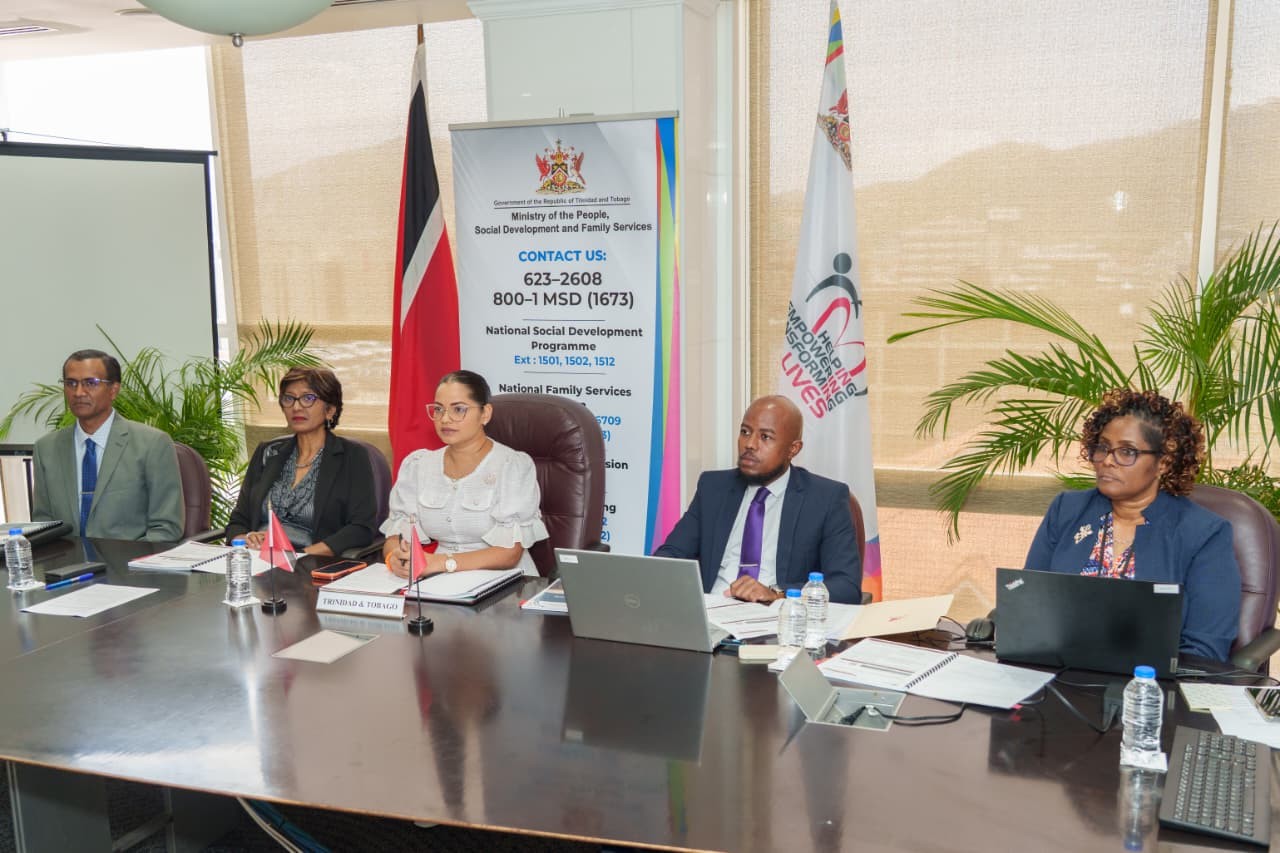
The Government of the Republic of Trinidad and Tobago has reaffirmed its commitment to evidence-based social policy and inclusive development during the Virtual Technical Workshop of Working Group 1 (WG1) of the Inter-American Committee on Social Development (CIDES), held on Wednesday, May 27, 2026.
The workshop, hosted under the theme “Disaggregated Measurement of Multidimensional Poverty: Regional Lessons for Evidence-Based Social Policy and Its Linkages to Social Investment,” brought together regional policymakers, technical experts and development practitioners from across the Americas to examine how multidimensional poverty data can better inform social protection systems, public investment and targeted interventions for vulnerable populations.
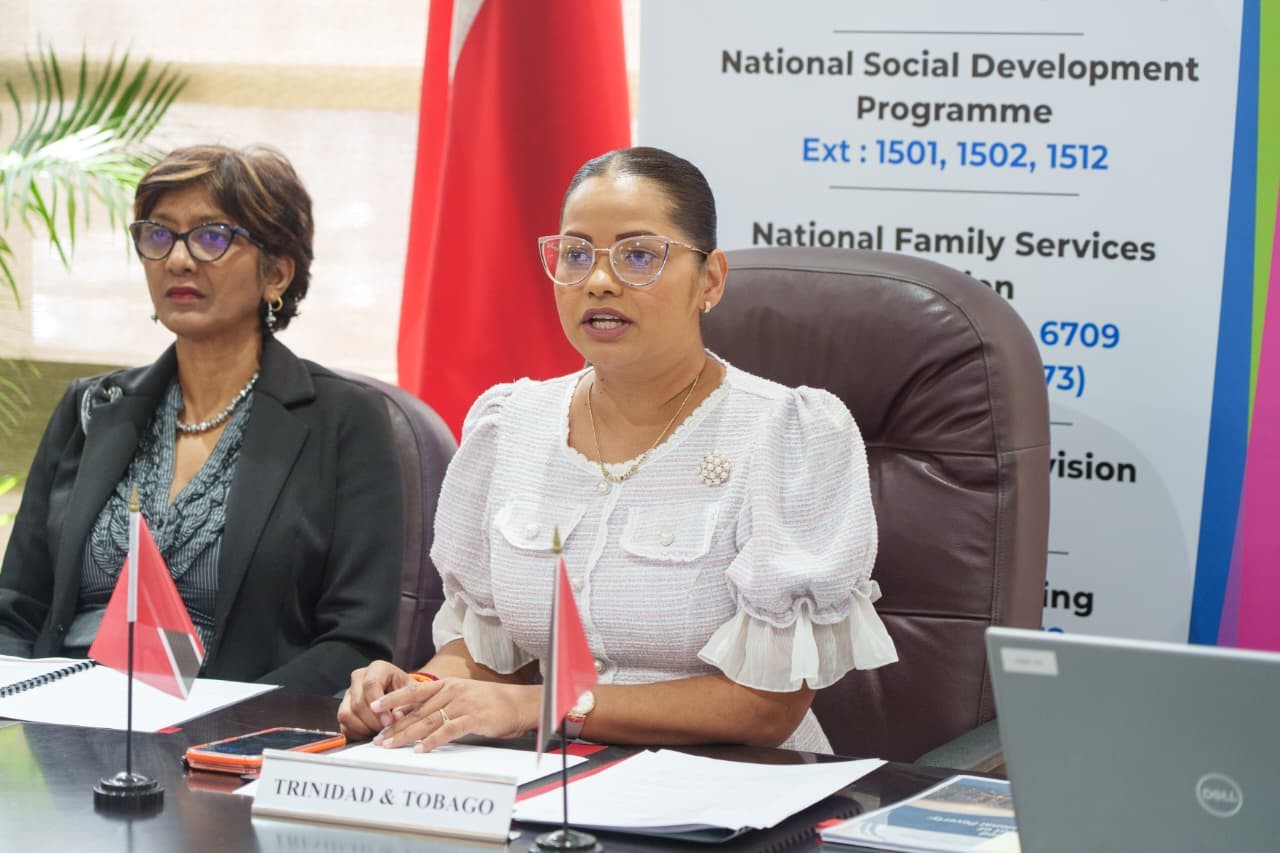
Delivering the closing remarks in Trinidad and Tobago’s capacity as Vice-Chair of the CIDES Working Group on Multidimensional Poverty, the Honourable Vandana Mohit, Minister of the People, Social Development and Family Services, underscored the importance of moving beyond traditional income-based assessments of poverty toward more people-centred and compassionate approaches to governance.
“Poverty cannot, and must not, be measured solely by income,” Minister Mohit stated, continuing that, “It is far more layered, far more human and far more complex. It reveals itself in unequal access to healthcare and education, inadequate housing, food insecurity, social exclusion and the inability of vulnerable citizens to fully participate in national life.”
The MPSDFS remains steadfast in its mission to provide people-centred support and interventions through its social service programmes, including the National Social Development Programme (NSDP), aimed at enhancing the quality of life of individuals and families across Trinidad and Tobago.
The Minister emphasized that multidimensional poverty measurement provides governments with a stronger framework for understanding the lived realities of citizens and for designing policies that are more responsive, equitable and impactful.
Highlighting the importance of disaggregated data, Minister Mohit noted that examining poverty through factors such as geography, gender, age, disability status and other social indicators allows governments to identify hidden disparities often concealed within national averages.
Minister Mohit stressed that effective responses to multidimensional poverty require stronger collaboration among ministries, statistical offices, social protection agencies and international development partners. “The dismantling of institutional silos, strengthening of interoperable systems and enhancement of regional cooperation must remain central pillars of our collective agenda moving forward,” she said.
The workshop also facilitated regional knowledge-sharing on the use of multidimensional poverty tools in countries including Guatemala, Panama, Brazil and Trinidad and Tobago, while reinforcing the role of evidence systems in improving policy effectiveness, resource allocation and resilience-building among vulnerable populations.
Minister Mohit called on member states to continue building societies where development is measured not only by economic growth, but also by dignity, inclusion and the well-being of citizens, stating that the discussion held must ultimately translate into meaningful action that improves lives, strengthens resilience and advances more equitable societies across the hemisphere.
The workshop forms part of the preparatory process leading to the Sixth Meeting of Ministers and High-Level Authorities of Social Development (VI REMDES) and is expected to contribute toward strengthened regional technical cooperation and policy-oriented recommendations on multidimensional poverty across the Americas.